
Creating hunting zones involves strategic planning to optimize hunting opportunities while ensuring safety and conservation. Here’s a step-by-step guide:
1. Survey Your Land and Analyze Terrain
- Use GPS or mapping software: Map property boundaries, water sources, and more. Identify wildlife habitats by tracks and droppings.
- Assess vegetation: Note dense cover, food sources, and water, which are key to wildlife presence and movement.
2. Divide Your Property
- Establish Boundaries: Use natural features like streams or man-made markers like fences to define hunting zones.
- Consider Game Preferences: Allocate zones based on the species available on your property. For example, deer might prefer wooded areas, while birds might frequent open fields.
3. Designate Hunting Types
- Bow vs. Firearm Zones: If you’re accommodating both archery and firearm hunters, designate zones accordingly. Bow hunting zones might include tighter spaces, while firearm zones should have more open areas.
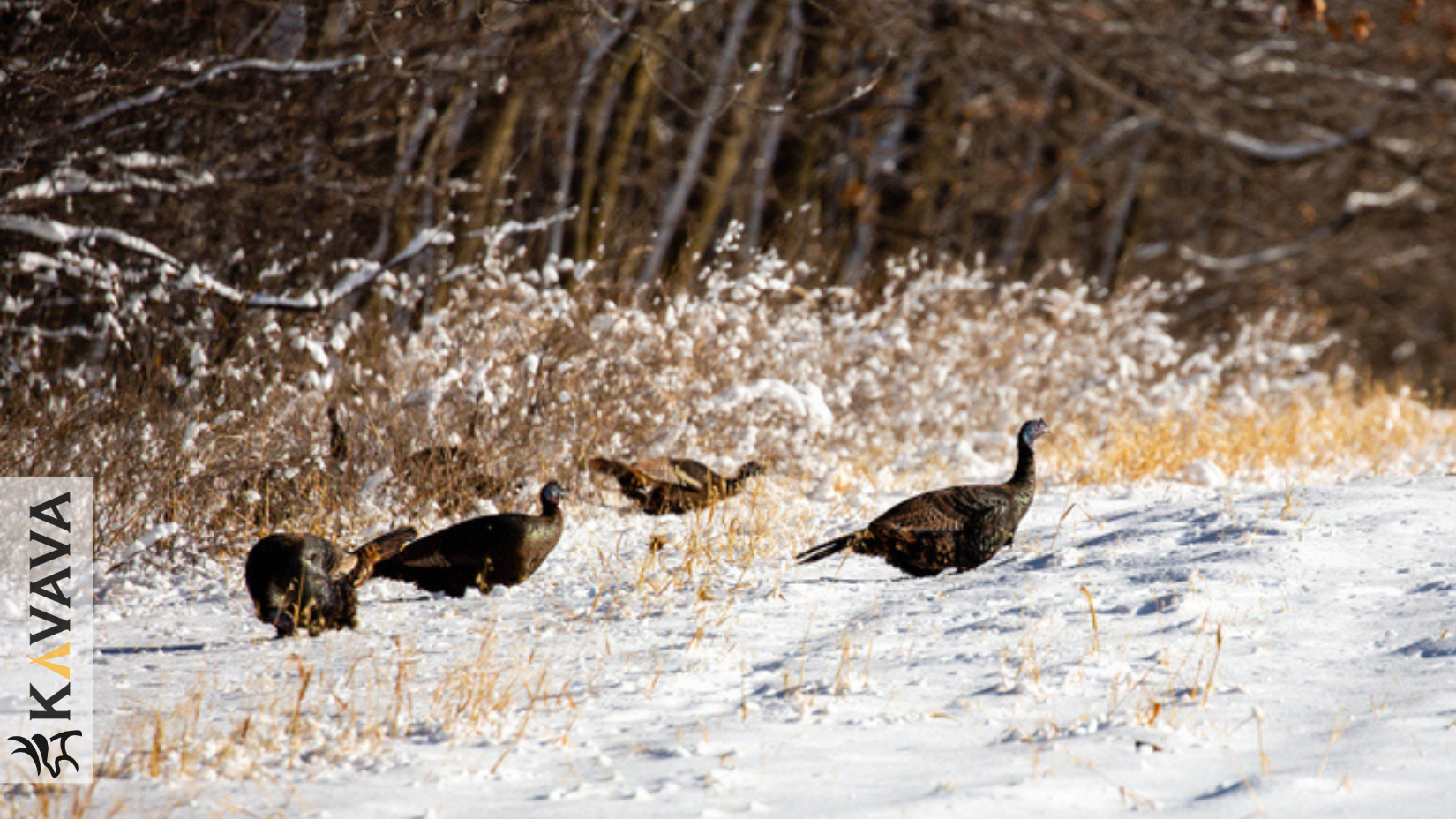
- Specialized Zones: Create zones for specific types of hunting, such as turkey zones with natural blinds or waterfowl zones near ponds or wetlands.
4. Ensure Safety
- Buffer Zones: Create safety buffer zones around buildings, roads, and neighboring properties.
- Signage: Install clear signage at zone entrances to indicate hunting type, boundaries, and any special regulations.
5. Plan Access Points
- Access Trails: Establish trails or paths to access each hunting zone. Ensure they are wide enough for safe movement, especially if hunters are carrying equipment.
- Parking Areas: Designate parking spots near each zone entrance to minimize disturbance.
6. Implement Conservation Measures
- Preserve Habitat: Design zones to protect critical habitats like nesting areas or sensitive ecosystems.
- Rotate Zones: Implement a rotation system to allow zones to rest and regenerate, promoting healthier wildlife populations.
7. Regular Maintenance
- Trail Clearing: Maintain trails and clear brush to ensure safe and easy access to hunting areas.
- Wildlife Management: Monitor game populations and adjust hunting zones as needed to promote sustainable hunting practices.
8. Communicate with Hunters
- Orientation: Provide hunters with maps and orientation sessions to familiarize them with the property and hunting zones.
- Rules and Regulations: Clearly communicate hunting regulations and any specific rules for each zone.
Make sure these information are listed in your property description and property rules. See more information regarding this under:
Creating hunting zones requires careful planning and consideration of both wildlife needs and hunter safety. By following these steps, you can design hunting zones that enhance the hunting experience while promoting conservation and safety on your property.
 KAVAVA Survival Guide