
The Art of Hospitality: Landowners’ Guide to Successful Hunting Trips
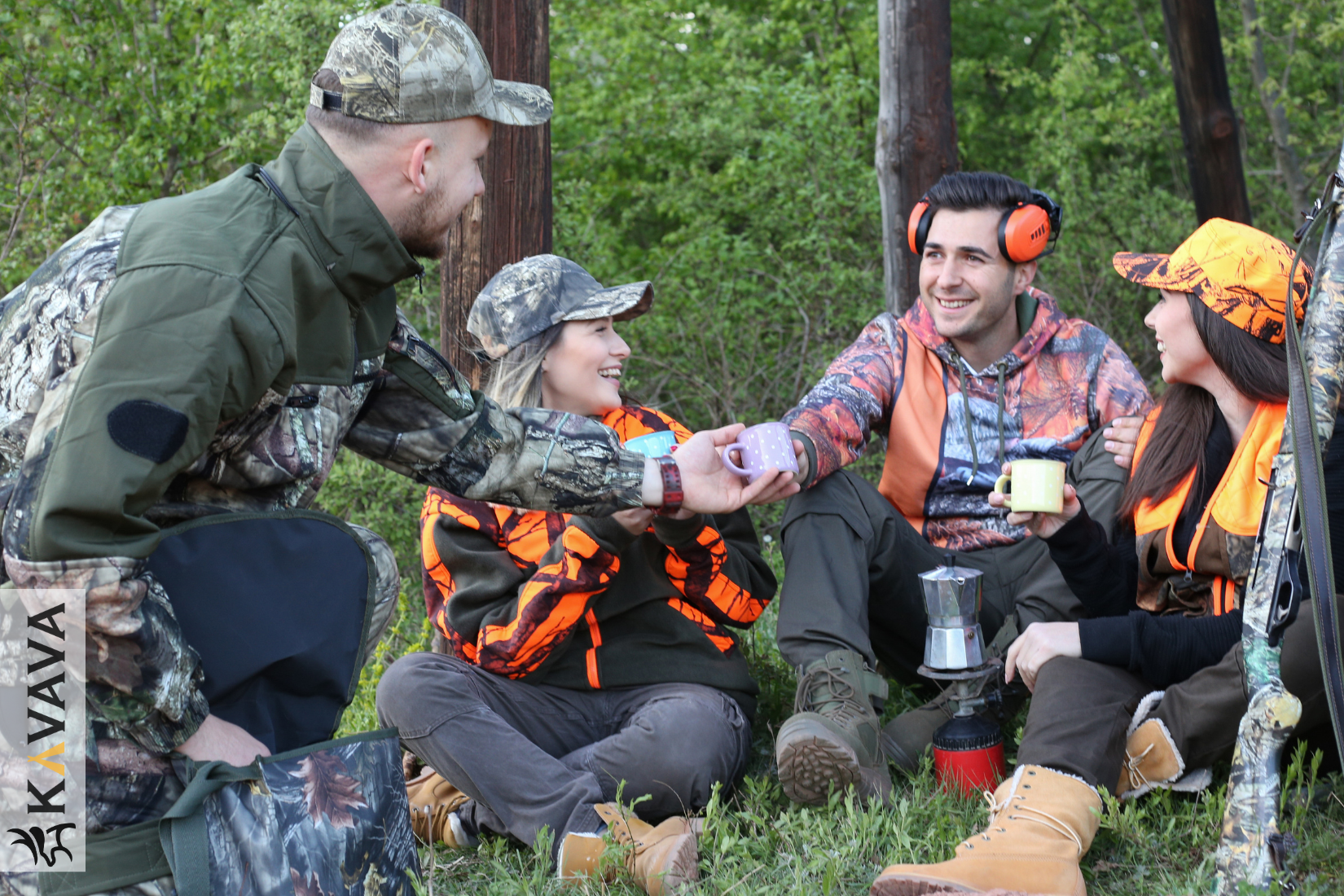
If you’re a landowner with ample acreage, you might already know the thrill of hunting on your own property. But have you considered sharing that experience with others? Hosting hunting trips can not only be financially rewarding but also a great way to forge connections with fellow outdoor enthusiasts. However, ensuring these trips are successful involves more than just opening your gates. Here’s a comprehensive guide on how to host successful hunting trips as a landowner.
1. Know Your Land
Before inviting guests, intimately know the lay of your land. This includes:
- Terrain: Familiarize yourself with the landscape, including hills, valleys, water bodies, and dense areas. This helps in guiding hunters to optimal spots.
- Wildlife: Understand the wildlife population, their habits, and preferred habitats. This helps in directing hunters to areas with higher chances of success.
- Legalities: Be aware of hunting laws and regulations in your area. Ensure all necessary permits and licenses are obtained.
2. Create Hunting Zones
Divide your property into manageable hunting zones. Each zone should offer different hunting experiences, whether it’s for deer, turkey, or upland game birds.
- Safety: Ensure hunting zones are well-marked and clearly defined to prevent accidents and avoid confusion.
- Variety: Aim for diversity in terrain and game. This provides hunters with various experiences and increases their chances of success.
See more tips on Crafting Prime Hunting Zones.
3. Provide Amenities
Offering basic amenities enhances the hunting experience and attracts more guests.
- Lodging: If possible, provide lodging facilities. This could range from cabins to camping areas.
- Utilities: Ensure access to clean water, restrooms, and waste disposal facilities.
- Offering Meals: For many hunters, meals are often the last thing on their minds. However, offering simple yet satisfying meals and snacks can drastically improve the overall hunting experience.
- Safety Measures: Provide first aid kits and have emergency plans in place.
4. Set Clear Rules and Guidelines
Establish rules and guidelines to ensure safety and proper conduct.
- Safety Rules: Enforce firearm safety rules and use of safety equipment like vests and harnesses.
- Hunting Etiquette: Emphasize ethical hunting practices, such as respecting property boundaries and not shooting from roads.
- Kavava Land description: Make sure you have clearly written your property rules under Set Property Use Rules when creating a listing.
5. Offer Guided Hunts
Guided hunts can enhance the experience, especially for novice hunters.
- Experienced Guides: Employ knowledgeable guides who know the land and wildlife well.
- Education: Provide information on hunting techniques, wildlife behavior, and safety measures.
6. Manage Wildlife Population
Implement wildlife management practices to maintain a healthy population.
- Habitat Management: Maintain food plots, water sources, and cover to attract and sustain wildlife.
- Harvest Management: Enforce hunting quotas and restrictions to prevent over-harvesting.
7. Market Your Hunting Trips
Promote your hunting trips to attract guests.
- Online Presence: Create a website and utilize social media platforms to showcase your property and services.
- Networking: Collaborate with hunting clubs, outfitters, and wildlife agencies for referrals.
- Utilize Kavava Community Forum: Post and tag your property to share with the community.
8. Collect Feedback
Regularly collect feedback from guests to improve your offerings.
- Surveys: Send out post-trip surveys to gather feedback on the experience.
- Adaptation: Use feedback to make necessary adjustments to amenities, services, and hunting zones.
Hosting successful hunting trips requires careful planning, attention to detail, and a passion for the outdoors. By providing a memorable and enjoyable hunting experience, you can turn your property into a sought-after destination for hunters while also preserving and enhancing wildlife habitats.
Latest documents for
 KAVAVA Survival Guide